Street Art: How Spray Cans Conquered the Art World
Walking through any major city today, you'll notice something that would have shocked art critics forty years ago: street art isn't just tolerated—it's celebrated. Those colorful murals covering entire building sides? The intricate stencils tucked into alleyways? They're not just vandalism anymore. They're art, and they're changing how we think about creativity in public spaces.
It Started with a Marker and a Subway
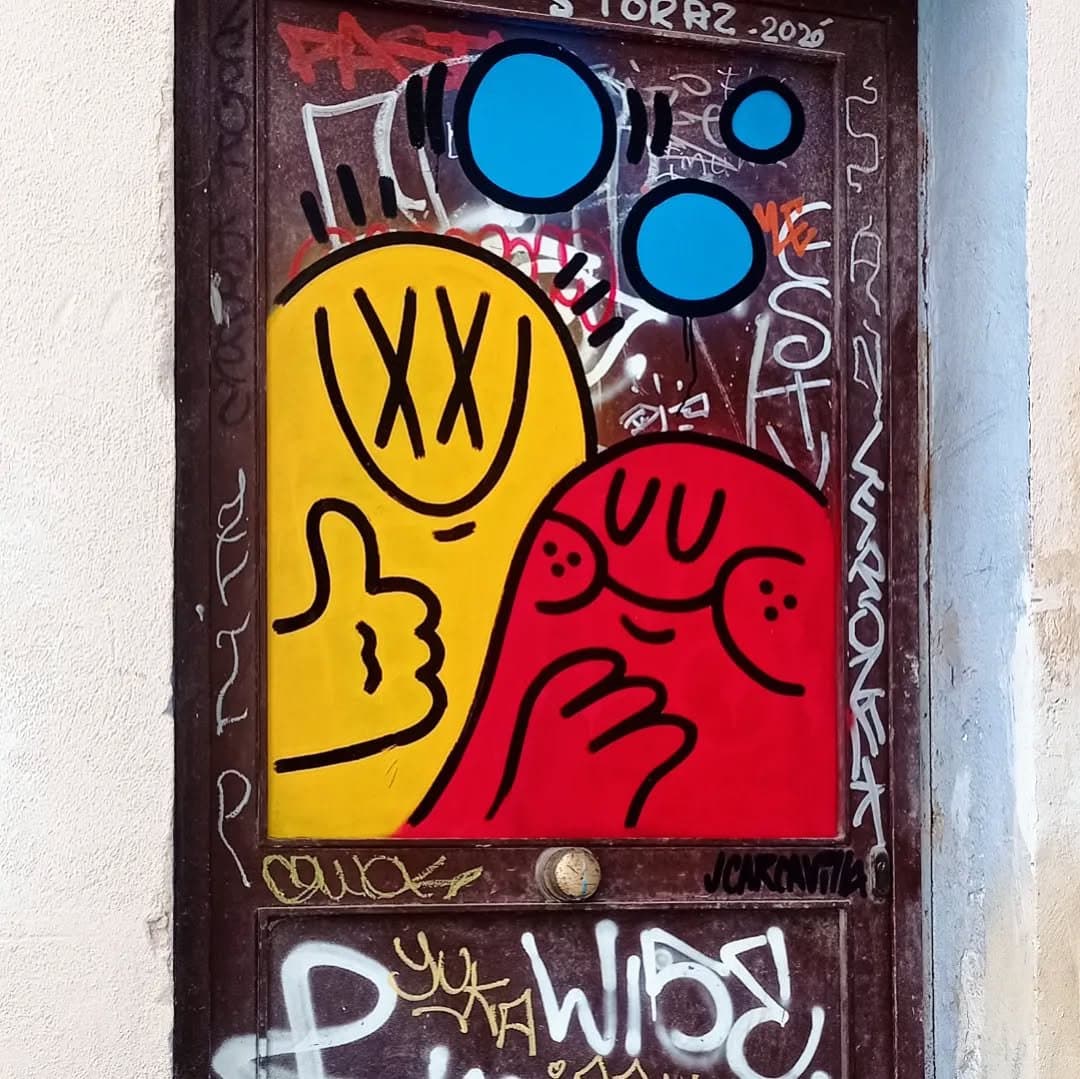
Street art didn't begin with some grand artistic manifesto. It started with kids like TAKI 183, a Greek-American teenager who worked as a messenger in New York City. In the late '60s, he started writing his name and street number everywhere he went. Soon, other kids were doing the same thing, turning the subway system into a rolling gallery of tags and elaborate pieces.
The real game-changer came in the '80s when artists like Jean-Michel Basquiat proved you could go from spray-painting buildings to selling paintings for serious money. Suddenly, people started paying attention to what was happening on the streets.
It's Not All About the Letters Anymore
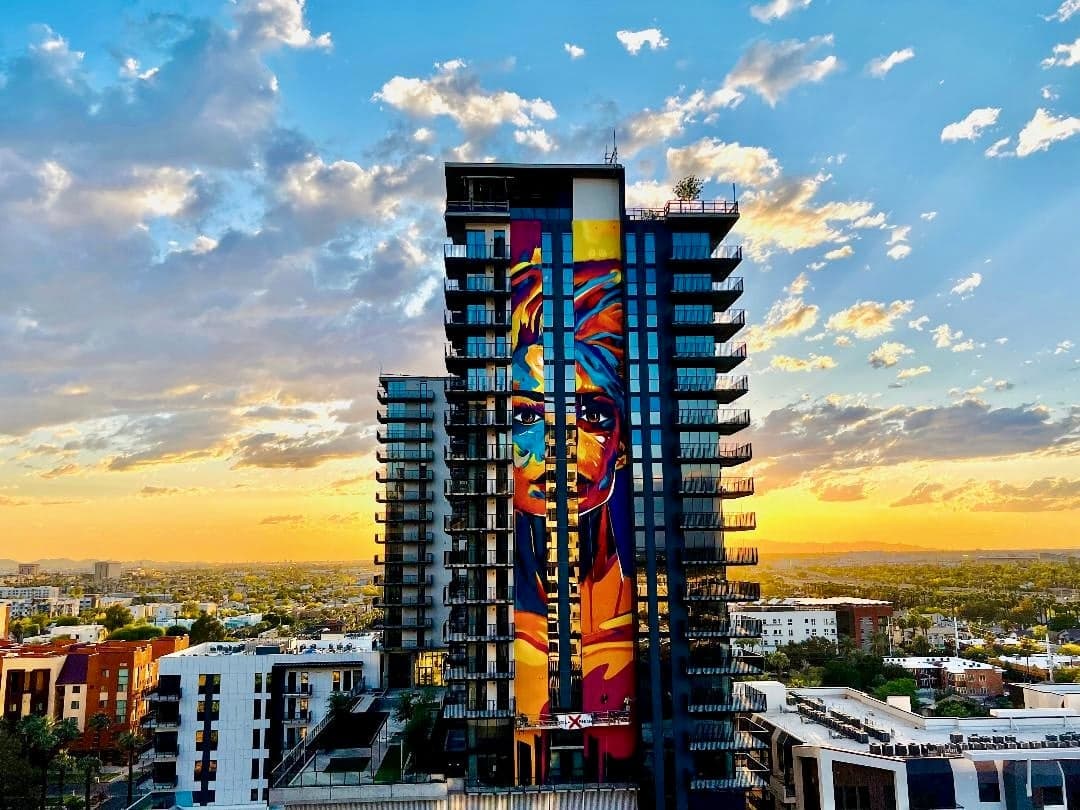
When most people think "street art," they picture graffiti lettering. But walk around Brooklyn or Berlin today, and you'll see the movement has exploded way beyond tags and throws. Artists are working with stencils, creating massive murals that tell stories, pasting up photographs, even building 3D installations that seem to grow out of the architecture itself.
Some artists, like Banksy, turned stenciling into high art with razor-sharp political commentary. Others focus on beautifying neglected neighborhoods with vibrant murals that reflect the community's identity. There's no single style or message—which is exactly what makes it so powerful.
The Voice of the Streets
Here's what separates street art from gallery art: accessibility. You don't need a ticket or an art degree to encounter it. It's right there on your way to work, impossible to ignore. That's why it's become such a powerful tool for social commentary.
Artists tackle everything from gentrification and police brutality to climate change and mental health. The message hits different when it's spray-painted on the wall of an abandoned building versus hanging in a climate-controlled gallery. There's an urgency to it, partly because you never know how long it'll last before someone paints over it or the city buffs it out.
From Outlaw to Instagram Star
The relationship between street art and the "legitimate" art world is complicated. On one hand, seeing Banksy pieces sell for millions at Sotheby's proves the artistic merit that many have recognized for decades. Museums are hosting street art exhibitions, and cities are commissioning artists to create legal murals as part of urban renewal projects.
But this acceptance comes with trade-offs. When a rebellious art form gets absorbed into the mainstream, does it lose its edge? Some argue that commissioned murals, while beautiful, lack the raw energy of illegal pieces created under cover of darkness.
The Digital Age Changes Everything
Today's street artists aren't just thinking about the person walking by—they're considering the thousands who might see their work on Instagram. Social media has amplified street art's reach exponentially, but it's also changed how artists create. Some now incorporate QR codes or design pieces specifically to look good in photographs.
This digital documentation has also helped preserve works that would otherwise be lost to time, weather, or removal. Entire archives of street art now exist online, creating a historical record of this ephemeral art form.
What's Next?
Street art continues to evolve as artists experiment with new techniques and technologies. Some are incorporating augmented reality elements, others are collaborating with local communities to create works that reflect specific neighborhood stories. Environmental concerns are pushing artists toward eco-friendly materials and messages about sustainability.
What seems certain is that street art has permanently changed the urban landscape. Cities that once spent millions trying to remove graffiti now budget for mural programs. The rebellion that started with a kid tagging his name in a subway tunnel has become a global movement that challenges how we define art, ownership, and public space.
Next time you walk past a colorful wall or an intricate stencil, take a moment to really look. You're not just seeing decoration—you're witnessing one of the most democratic and immediate art forms ever created, one that continues to push boundaries and spark conversations about who gets to make art and where it belongs.